 Cold cases require leading-edge techniques specially suited to the analysis of old sealed evidence. At IGNA, the Strasbourg laboratory now specializes in that type of cases. Here’s an example.
The year was 1983. The body of a woman had just been found in a forest. The investigators also suspected a rape. The presence of sperm was revealed, but techniques at the time were not sufficiently developed yet to provide decisive elements for the investigation and to identify a suspect: DNA analysis would start to be used in France only in 1989!
Preserve evidence!
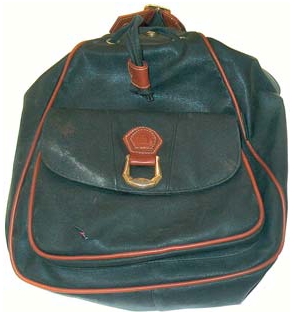
In 2008, a judge requested DNA analyses to be performed. He decided to entrust the laboratory with three sealed pieces of evidence: the victim’s handbag, a cigarette butt and pieces of kitchen paper on which traces of sperm were suspected. In an old case like this one, search and extraction techniques are specifically adapted to difficult samples with little DNA or degraded DNA. A genetic profile was indeed revealed from the sample on the handbag: that of the victim, but it was mixed with the profiles of several other persons a result probably caused by external pollution due to poor conservation conditions of the sealed evidence. As for the cigarette butt, it had been stored away in a plastic bag in which traces of mold growth were found…
 Not a cold case any longer
On the other hand, the pieces of kitchen paper were kept in kraft paper, in a dry place and sheltered from light. The profile of an individual listed in the National database was produced with these pieces. He was considered at the time as one of the main suspects. Twenty five years after the beginning of this case, the sealed evidence eventually talked…
Point of view Thomas Delefosse, Legal expert to the Court of Appeal of Colmar, approved by the Ministry of Justice.The specific nuclear or mitochondrial DNA analysis techniques developed by the IGNA laboratory in Strasbourg for cold cases or old bones are highly effective. However, these techniques reach their limits when faced with a moldy or polluted sample. Hence the care that should be taken for the conservation of sealed evidence.
From IGNA – Newletter january 2010